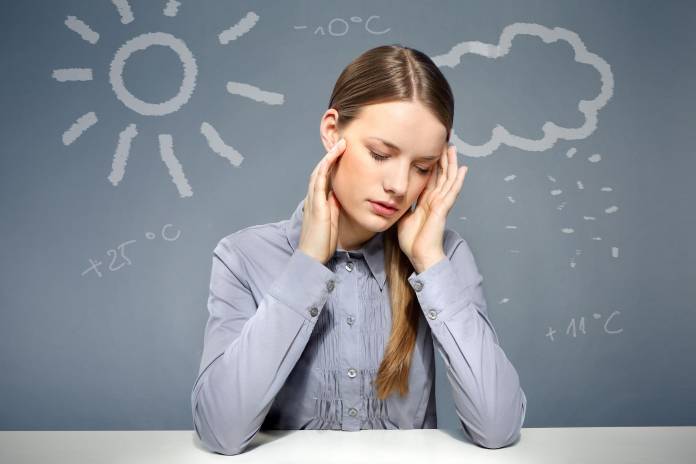
The Unseen Impact: Navigating Weather Sensitivity in Heidelberg
Have you ever felt a sudden shift in your mood, energy levels, or even experienced a nagging headache that seems to coincide perfectly with a change in the weather? You're not alone. Many individuals find themselves grappling with what's known as
Wetterfühligkeit, or weather sensitivity. For residents in picturesque locales like Heidelberg, nestled in the scenic Rhine Valley and surrounded by varying topographical features, these atmospheric shifts can feel particularly pronounced. This article delves into the phenomenon of
heidelberg wetterfühlig, exploring why weather changes can affect us, the common symptoms, and practical strategies to navigate their impact on daily life.
The concept of "bioweather" suggests that our health is intrinsically linked to atmospheric conditions. While the glorious sunshine might uplift spirits, a sudden front moving in, or the presence of specific wind patterns, can leave a significant portion of the population feeling unwell. In Central Europe, it's estimated that up to 50% of people report being influenced by weather patterns, experiencing symptoms ranging from headaches and irritability to a general sense of unease. For those susceptible to
heidelberg wetterfühlig, understanding these triggers is the first step towards better management.
Understanding the Triggers: Föhn, Fronts, and Bioweather Influences
The primary reference point for weather sensitivity often revolves around distinct atmospheric phenomena. Let's explore some of the most common triggers:
The Föhn Wind Phenomenon
One of the most frequently cited culprits for weather-related discomfort, particularly in regions with mountainous terrain like those that can influence weather systems around Heidelberg, is the Föhn wind. This warm, dry, downdraft wind descends from mountain ranges, often leading to a rapid and significant change in air pressure and temperature. For many, the arrival of Föhn is an immediate signal of impending symptoms. Colleagues might complain of being "thin-skinned" and irritable, while a pervasive headache, often resistant to standard pain relief, becomes a hallmark "Föhn headache." The desire to retreat to a dark, quiet room with a cool cloth on the forehead is a typical reaction, reflecting the intense discomfort this specific weather pattern can induce.
Atmospheric Fronts and Pressure Changes
Beyond specific winds, the general shifting of weather fronts plays a crucial role. Medical meteorologists observe that
warm fronts advancing often coincide with an increase in reported symptoms. The transition from a cold front to a warm front, for example, brings with it rapid changes in atmospheric pressure. Our bodies, constantly striving for equilibrium, must adapt to these fluctuations. While this adaptation usually occurs seamlessly, for weather-sensitive individuals, the sudden pressure differential can manifest as headaches, dizziness, or a feeling of being 'under the weather.' The dynamic nature of weather systems across Central Europe, characterized by frequent shifts between high-pressure and low-pressure systems, and the passage of various fronts, makes regions like Heidelberg particularly susceptible to these influences.
Beyond Pressure: Bioweather and Environmental Factors
The concept of "bioweather" extends beyond just wind and pressure. It encompasses a broader range of environmental factors that can subtly influence our health. While not directly weather-related in the traditional sense, elements like the
full moon,
daylight saving time changes, or even the process of
sunset are sometimes linked to a heightened state of weather sensitivity. These factors, by potentially influencing our circadian rhythms or neurotransmitter balance, might lower our threshold for coping with atmospheric changes, thereby exacerbating existing weather-related symptoms such as headaches and migraines. The intricate interplay between these elements underscores the complexity of
heidelberg wetterfühlig.
Common Symptoms and Their Impact on Daily Life
The symptoms of weather sensitivity are diverse and can significantly impair an individual's quality of life. While the reference context highlights headaches and irritability, the spectrum is much wider:
*
Headaches and Migraines: Often the most prominent symptom, ranging from dull aches to debilitating migraines.
*
Irritability and Mood Swings: A noticeable change in temperament, feeling more agitated or emotionally fragile.
*
Fatigue and Lethargy: A profound sense of tiredness, even after adequate sleep.
*
Difficulty Concentrating: Feeling fuzzy-headed, unable to focus on tasks, and experiencing brain fog.
*
Sleep Disturbances: Trouble falling asleep, staying asleep, or experiencing restless sleep.
*
Joint and Muscle Pain: Aches and stiffness, particularly in older individuals or those with existing conditions like arthritis.
*
Circulatory Problems: Dizziness, lightheadedness, or fluctuations in blood pressure.
*
Increased Accident Risk: Reduced concentration and slower reaction times, especially during significant weather changes, can lead to a higher propensity for minor accidents.
For those experiencing
heidelberg wetterfühlig, these symptoms can disrupt work productivity, affect social interactions, and diminish overall well-being. It's a genuine struggle, even if clear medical studies linking weather directly to every symptom are still evolving. The personal experience of discomfort remains undeniably real.
For more detailed insights into how weather changes impact our physical and mental state, you might find valuable information in
heidelberg wetterfühlig - Article 1.
Navigating Weather Sensitivity: Practical Strategies for Heidelberg Residents
While we can't control the weather, we can adopt strategies to better manage its effects. For those in Heidelberg and similar regions prone to weather shifts, proactive self-care is key.
Lifestyle Adjustments for Resilience
*
Stay Hydrated: Dehydration can exacerbate headaches and fatigue. Ensure consistent water intake throughout the day.
*
Balanced Nutrition: A diet rich in whole foods, avoiding processed items and excessive caffeine or sugar, can support overall bodily resilience.
*
Prioritize Sleep: Maintain a consistent sleep schedule, even on weekends. A well-rested body is better equipped to handle environmental stressors.
*
Regular, Moderate Exercise: Physical activity can improve circulation, reduce stress, and enhance mood. Even light walks can make a difference.
*
Stress Management: Incorporate relaxation techniques into your routine.
Mindfulness, meditation, deep breathing exercises, or even gentle yoga can help calm the nervous system.
Environmental and Awareness Strategies
*
Create a Retreat: When symptoms strike, replicate the suggested "darkened bedroom with a cool cloth" scenario if possible. Minimizing sensory input can be incredibly soothing.
*
Monitor Local Bioweather Forecasts: Many weather apps and services now include a "bioweather" or "health weather" forecast. Being aware of impending changes allows you to prepare.
*
Keep a Weather Sensitivity Diary: Track the weather, your symptoms, and your lifestyle choices. This can help identify personal triggers and patterns specific to your experience of
heidelberg wetterfühlig.
*
Dress in Layers: Rapid temperature fluctuations can be challenging. Layered clothing allows for quick adaptation to changing conditions.
Seeking Support and Medical Advice
While many symptoms can be managed with lifestyle changes, it's important to know when to seek professional help. If headaches become debilitating, migraines become more frequent, or other symptoms significantly impair your daily life, consult your doctor. They can rule out other underlying conditions and discuss potential treatment options or coping mechanisms. Remember, communicating your experiences of
heidelberg wetterfühlig with your healthcare provider is crucial for personalized care.
For additional perspectives on managing these challenges, consider exploring
heidelberg wetterfühlig - Article 3.
Embracing Well-being in Changing Climates
Weather sensitivity, while often dismissed, is a very real experience for a significant portion of the population. In dynamic regions like Heidelberg, understanding the triggers and proactively managing symptoms can transform challenging days into more manageable ones. By integrating mindful self-care, paying attention to local weather patterns, and knowing when to seek professional advice, individuals can cultivate greater resilience against the unseen impacts of atmospheric change. Your body's reaction to the weather is a natural phenomenon; empowering yourself with knowledge and strategies is key to living well, come rain or shine.